|
Chiropractic Care and Recovery After a Whiplash InjuryA motor vehicle collision can place tremendous stress on the neck, sometimes leaving problems that continue long after the crash itself. A case report published in Cureus on August 26, 2026, followed a 27-year-old man who developed neck pain, low back pain, daily headaches, lightheadedness, nausea, difficulty sleeping, brain fog, and other symptoms after being struck from behind at approximately 40 miles per hour. His symptoms began within about 30 minutes of the collision and continued during the weeks that followed.
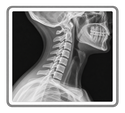
When he was evaluated about a month after the accident, he was experiencing constant neck and low back pain along with daily headaches. Standard disability questionnaires showed moderate disability related to his neck, headaches, and low back. Examination also revealed restricted and painful neck movement, muscle tightness, weakness in several movements, and significant postural changes. X-rays showed that his head was positioned nearly 60 millimeters forward of its ideal position and that the normal forward curve of his neck had been almost completely lost.
The patient then began a course of chiropractic care aimed at improving spinal alignment, posture, and function. After 24 visits over approximately three and three-quarter months, his low back pain had improved by 80 percent, while his neck pain and headaches had improved by about 20 percent. His disability scores also improved substantially, and follow-up X-rays showed early improvement in both his forward head position and the curve of his neck.
Care continued for a total of 48 visits over six and a half months. By that point, the patient reported that his low back pain had completely resolved and that his neck pain and headaches had improved by about 90 percent. Difficulty sleeping had resolved, while brain fog, lightheadedness, nausea, shortness of breath, and several other complaints had also improved dramatically. His neck and low-back disability scores had fallen to almost zero, and his range of motion and neurological testing had largely returned to normal.
The changes were not limited to how the patient felt. Follow-up x-rays documented substantial structural improvement in the neck. His forward head position decreased from 59.9 millimeters to 25.6 millimeters after six and a half months and improved further to 21.9 millimeters at the 17-month follow-up. The curve of his neck also improved considerably. Importantly, these structural changes were still present 17 months later, while his neck and low back pain remained at zero and his headache disability remained very low.
This case is encouraging because improvements in pain, disability, posture, and spinal structure occurred together and were maintained well beyond the initial period of chiropractic care. It provides another example of how addressing spinal alignment, function, and subluxation following a whiplash-type injury may be an important part of helping patients achieve lasting recovery. |